JG Wentworth Debt Relief Review (2026): Is It Legit — and Is It Worth It?
JG Wentworth has been a consumer-finance name since 1991 — but is its debt-relief program right for you? Here's our honest review: how it works, what it costs, who qualifies, and the trade-offs to know before your free consultation.
Short answer
Is it legit? Yes. JG Wentworth has been in consumer finance since 1991, holds an A+ Better Business Bureau rating and 4.8/5 on Trustpilot, and its debt-relief program charges no fee until a debt is actually settled. The consultation is free and there is no obligation to enroll.
Is it worth it? That depends on your balance. Settlement is built for roughly $20,000+ in unsecured debt. It can cut what you repay, but your credit score usually drops during the program, interest and late fees can keep accruing, and forgiven debt can be taxable — so it's the wrong tool for small balances or secured debt. If that trade-off sounds acceptable, a free consultation is the cheapest way to find out what you'd actually pay: check your options with JG Wentworth. If it doesn't, our settlement vs consolidation comparison covers the alternatives.
Free consultation. No obligation to enroll, and no fees until a debt is actually settled.
- Best for: Roughly $20,000+ in unsecured debt — no minimum credit score required (confirm current eligibility with the provider)
- Why it stands out: 30+ years in financial services, an A+ Better Business Bureau rating, 4.8/5 on Trustpilot, and a free risk-free consultation
- How it works: One affordable monthly program payment; per its program disclosures, the goal is to lower your total enrolled debt by approximately 50% before fees
- Customized options: Plans are tailored to fit your budget and situation rather than a one-size-fits-all program
- Cost model: Fees are charged only after a debt is settled — no upfront fees
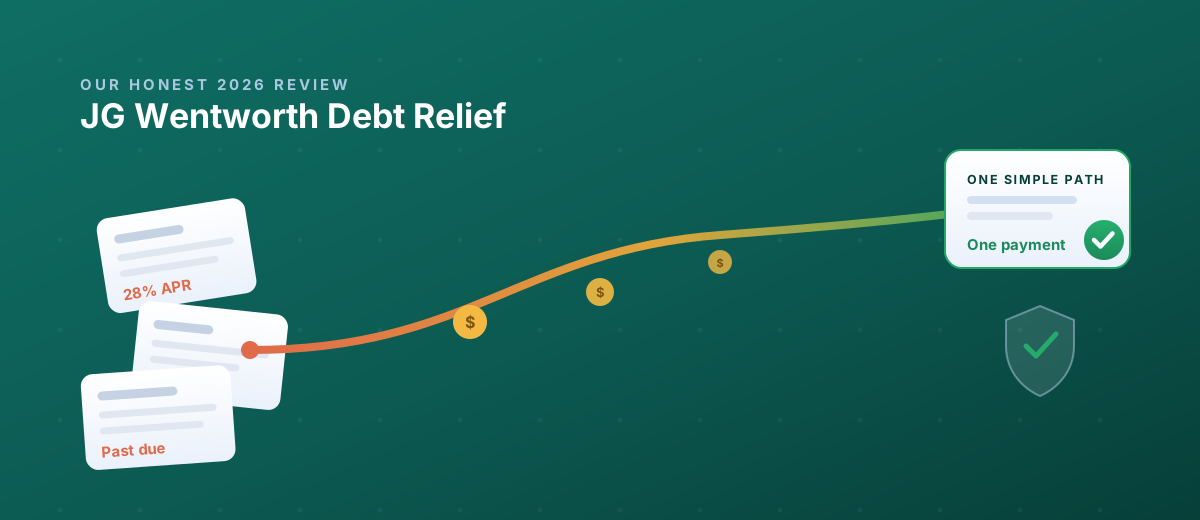
How debt relief actually works
"Debt relief" is an umbrella term. The right choice depends on how much you owe, your credit, and whether you want a lower payment or a lower balance. The three mainstream paths:
1. Debt settlement
A company negotiates with your creditors to accept less than the full balance. You typically set money aside in a dedicated account while negotiations happen. It can meaningfully cut what you owe, but it usually lowers your credit during the program and forgiven debt can be taxable. Reputable firms charge a fee only after a debt is settled. This is the model JG Wentworth's debt-relief program uses.
2. Debt consolidation
You roll multiple balances into a single loan or balance-transfer card — ideally at a lower rate — so you have one payment instead of many. It doesn't reduce what you owe, but it can lower your interest and simplify things. It generally requires decent credit to get a good rate.
3. Credit counseling / management plan
A nonprofit agency sets up a debt-management plan, often with reduced interest, and you pay the agency one amount each month. Lower risk to credit than settlement, but plans usually run three to five years and require you to keep up payments.
Compare the options at a glance
| Option | Reduces balance? | Credit impact | Typical timeline |
|---|---|---|---|
| Debt settlement | Yes | Higher (short-term) | 24–48 months |
| Consolidation loan | No (lowers rate) | Lower | Loan term |
| Credit counseling | No (may cut interest) | Lower | 3–5 years |
| Paying minimums only | No | Neutral | Often 15+ years |
If you're only making minimum payments on 20–29% APR cards, the math rarely works in your favor — most of each payment goes to interest. That's the situation debt relief is designed for.
Debt settlement: the honest pros and cons
Pros
- Can reduce the total balance you repay
- One planned monthly amount instead of many minimums
- Reputable firms charge fees only after they settle
- A clear end date — typically 2–4 years
Cons / things to know
- Credit score usually drops during the program
- Interest and late fees can keep accruing on unpaid accounts, so balances may grow before they're settled
- Creditors or collectors may continue collection efforts, including lawsuits, while you're in the program
- Forgiven debt can be taxable income
- Creditors aren't required to settle
- Not ideal for small balances or secured debt
Our verdict on JG Wentworth
JG Wentworth has been a recognizable name in consumer finance since 1991. Its debt-relief program offers a free, no-obligation consultation that reviews what you owe and lays out whether settlement makes sense for you — with fees charged only after a debt is actually settled, per its disclosures. It's a straightforward starting point if you want a real person to map your options rather than guessing. As always, review the specific fees, timeline, and credit implications they quote you before enrolling.
Get a Free, No-Obligation Consultation with JG Wentworth →If JG Wentworth isn't the right fit
JG Wentworth won't suit everyone — its program is aimed at roughly $20,000+ in unsecured debt, and availability and qualifying debt types vary. Two other providers we've reviewed cover different situations:
Comparing options first? See our settlement vs consolidation comparison to see how JG Wentworth stacks up against other providers — or start with the basics in our guide to debt relief vs. debt consolidation.
Frequently asked questions
Is debt relief legit?
Debt relief is a legitimate set of options — debt settlement, debt consolidation, and credit counseling — used to make high-interest debt more manageable. Like any financial service, quality varies by provider, and each option has trade-offs on cost, timeline, and credit impact. Compare providers and read the terms before enrolling.
Does debt relief hurt your credit?
It can. Debt settlement often involves pausing payments while balances are negotiated, which typically lowers your credit score during the program. Debt consolidation and credit counseling usually have less impact. Weigh the short-term credit hit against the possibility of resolving your debt sooner — outcomes vary.
How much does debt relief cost?
Reputable debt-settlement companies charge a fee only after they settle a debt, typically a percentage of the enrolled balance. Credit counseling agencies may charge small monthly fees. A consolidation loan has interest and sometimes origination fees. Always confirm the full cost before enrolling — a free consultation should quote it clearly.
How long does a debt relief program take?
Most debt-settlement programs run about 24 to 48 months, depending on how much you owe and how much you can set aside each month. Consolidation loans follow the loan term; credit counseling plans often run three to five years.
Is JG Wentworth a legitimate debt relief company?
JG Wentworth is a consumer-finance company founded in 1991 (best known for its structured-settlement business) that also offers a debt-relief program. A free consultation reviews your situation and lays out options with no obligation. As with any provider, review the fees, timeline, and credit implications before enrolling.